
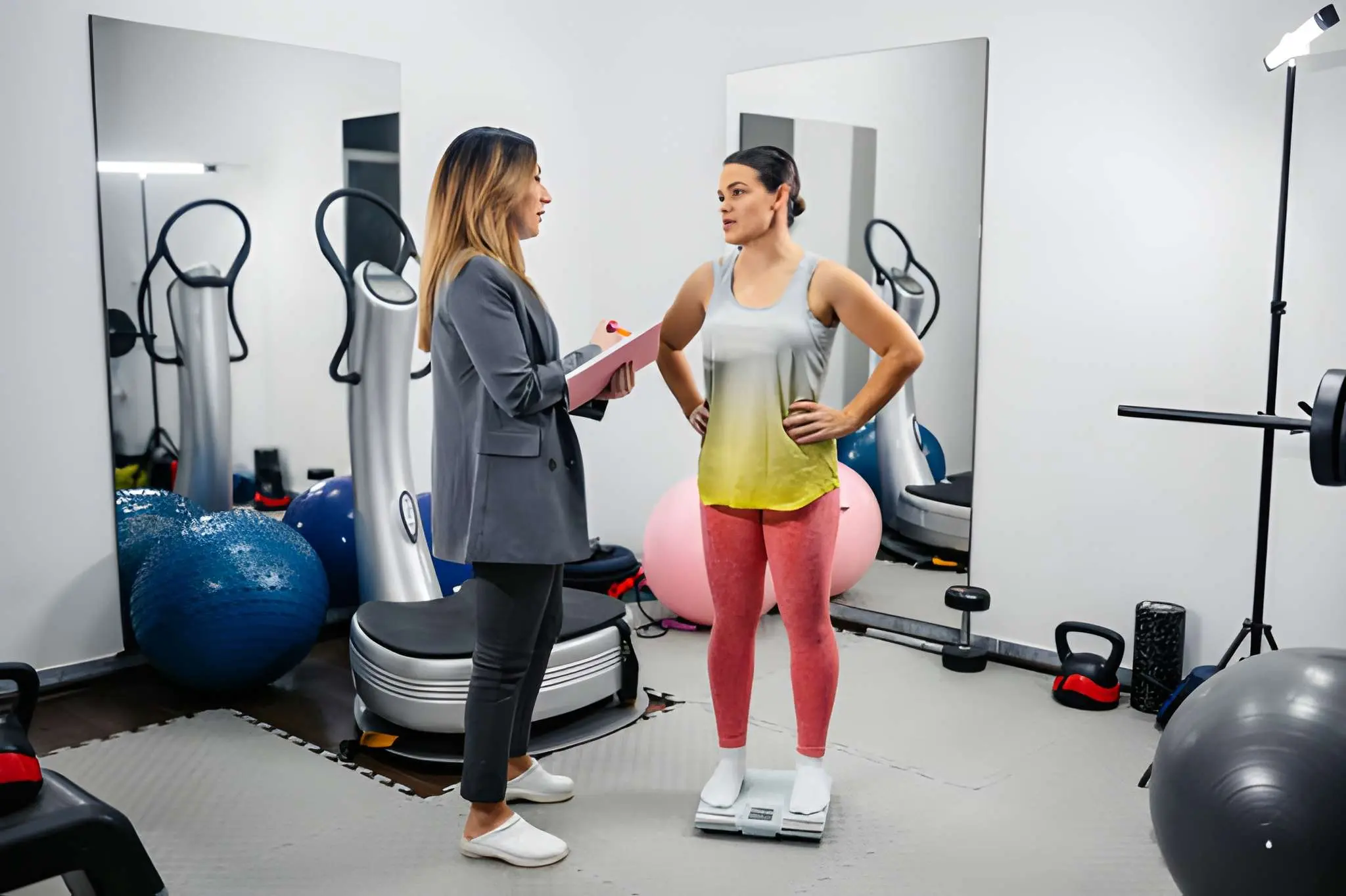
Understanding weight changes during midlife
Many women notice weight gain during midlife even when their eating and activity habits stay the same. This can feel confusing and frustrating. Hormonal changes play a big role during this stage of life. Shifts in estrogen can affect how the body stores fat, uses energy, and recovers from exercise.
For health focused communities like CPR Certification Now, education and safety are important. Understanding why weight changes happen helps women feel supported instead of discouraged. Weight management during this phase is not about strict rules. It is about learning how the body works now and adjusting habits with care and patience.
When women understand the reason behind these changes, they are more likely to stay consistent and positive.
How hormones affect body weight
Hormones influence many systems in the body. When they change, weight patterns often change too. These shifts are natural and happen to most women.
Common effects include:
- Slower metabolism
- Increased fat storage around the waist
- Changes in appetite signals
- Reduced muscle mass over time
These changes do not mean something is wrong. They mean the body needs a new approach. Weight management plans should respect these changes instead of fighting against them.
Education helps women replace frustration with understanding and realistic expectations.
The role of movement in healthy weight control
Exercise remains important, but the type and intensity matter more during this stage. Long or exhausting workouts can increase fatigue and stress. Balanced movement supports both physical and emotional health.
Helpful movement strategies include:
- Strength training two to three times per week
- Moderate cardio like walking or cycling
- Gentle mobility work for joints
- Rest days to support recovery
Strength training is especially helpful because muscle supports metabolism. Even small increases in muscle can help the body use energy more efficiently.
Movement should feel supportive, not punishing.
Strength training with confidence and safety
Many women worry about lifting weights. In reality, strength training helps protect bones, joints, and daily function. It also supports posture and balance.
Safe strength training principles include:
- Using moderate resistance
- Focusing on full body exercises
- Keeping good form over heavy load
- Allowing rest between sessions
Progress does not need to be fast. Consistency matters more than intensity. Strength training builds confidence and helps women feel capable in their bodies.
This approach supports long term weight stability and independence.
Cardio without burnout
Cardio is helpful for heart health and mood. However, too much high intensity work can increase stress levels. Stress can make weight management harder.
Balanced cardio options include:
- Brisk walking
- Swimming
- Steady cycling
- Short interval sessions with full recovery
The goal is steady effort, not exhaustion. Women should finish workouts feeling energized, not drained. Listening to the body is a skill that improves results over time.
This balance supports healthy habits and better adherence.
Nutrition guidance without extreme rules
Strict diets often fail during hormonal changes. They can lower energy, increase cravings, and harm mood. Weight management works best with balanced nutrition.
Helpful nutrition habits include:
- Eating enough protein to support muscle
- Including fiber rich foods daily
- Staying hydrated
- Avoiding drastic calorie cuts
Food should support daily activity and recovery. Small changes done consistently are more effective than short term restriction.
Coaching should focus on habits, not perfection.
Stress and sleep impact on weight
Stress and poor sleep strongly affect weight. Hormonal shifts can already disrupt sleep patterns. Added stress makes it harder for the body to regulate appetite and energy.
Supportive strategies include:
- Gentle evening routines
- Light stretching before bed
- Reducing intense workouts on tired days
- Short outdoor walks to lower stress
Rest is not laziness. It is part of health. When sleep and stress improve, weight management often becomes easier without extra effort.
Recovery supports both the body and the mind.
Coaching with empathy and understanding
Women going through hormonal changes need understanding, not pressure. Coaching should feel encouraging and respectful. Progress may look different than before, and that is okay.
Effective coaching focuses on:
- Realistic goals
- Flexible plans
- Positive feedback
- Long term health over quick results
When women feel heard, they stay engaged. Coaching becomes a partnership rather than a set of rules.
Education based guidance builds trust and confidence.
Adjusting goals for long term success
Goals may shift during this stage of life. Instead of focusing only on scale numbers, women benefit from broader measures of success.
Helpful goal examples include:
- Improved strength
- Better energy levels
- Consistent movement habits
- Improved balance and mobility
These goals support daily life and overall wellbeing. Weight often stabilizes as a result of healthier routines.
Success should feel sustainable, not stressful.
Education for fitness professionals
Fitness professionals need specific knowledge to support women during hormonal changes. Understanding how hormones affect metabolism, recovery, and motivation improves coaching quality.
Education helps professionals:
- Design safer programs
- Communicate with sensitivity
- Adjust training volume
- Support long term adherence
Those who want more information can explore specialized education here Well informed coaches create positive and lasting change.
Supporting healthy habits beyond the gym
Weight management is not only about workouts. Daily habits play a major role. Simple actions add up over time.
Helpful lifestyle habits include:
- Regular movement breaks
- Consistent meal timing
- Adequate hydration
- Mindful stress management
These habits support energy balance without overwhelming effort. Coaching should highlight how small choices matter.
Sustainable habits create lasting results.
A positive path forward
Weight management during hormonal changes requires patience, education, and compassion. Women are not failing when their bodies change. They are adapting to a new phase of life.
With balanced movement, supportive nutrition, and proper rest, women can feel strong and capable. Coaching that respects hormonal changes helps women stay active and confident.
For education driven fitness communities, this approach aligns with safety and understanding. When weight management focuses on health rather than pressure, women feel empowered to care for their bodies long term.
Also Read-Innovative Technologies for Personalized Apnea Therapy: Automatic CPAP Machines
