
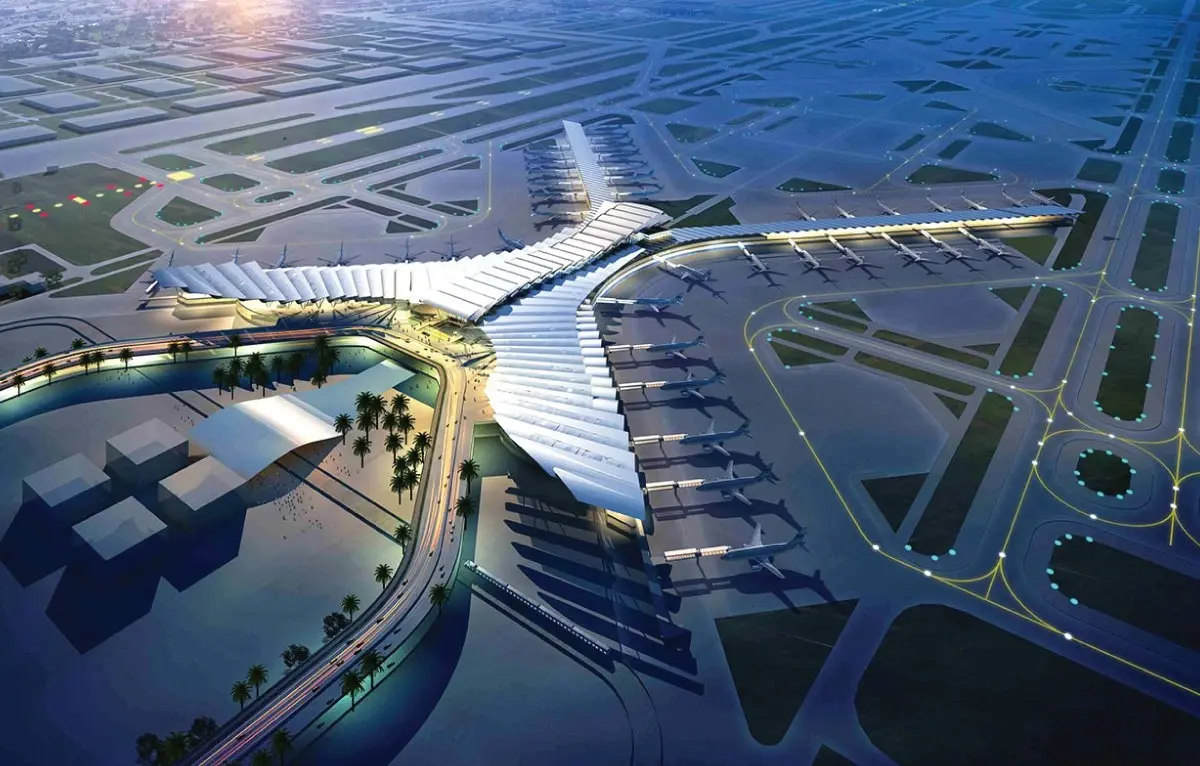
The global aviation landscape is shifting, and the Middle East is firmly at the center of this transformation. Recent reports regarding King Abdulaziz international airport highlight a monumental shift in passenger traffic, marking 2025 as a year of unprecedented growth. As a primary pillar of the Kingdom’s economic diversification, this facility has become a focal point in Saudi Arabia business news, signaling that the nation is well on its way to becoming a premier global logistics hub. This record-breaking performance is not just about numbers; it is about a qualitative leap in how the Kingdom connects with the world.
A Year of Historic Milestones
In 2025, King Abdulaziz International Airport (KAIA) shattered all previous records by welcoming 53.4 million passengers. This figure represents the highest traffic ever recorded at a Saudi airport since the dawn of civil aviation in the country. To put this in perspective, the airport saw a 12 percent increase in operations compared to the previous year, handling a staggering 310,000 flights.
The sheer volume of logistics managed behind the scenes is equally impressive. The airport processed 60.4 million bags and facilitated the transport of 9.57 million Zamzam water containers for departing pilgrims. This operational success underscores the airport’s high readiness to manage the “mega airport” status it has officially achieved.
The Strategic Role in Vision 2030
This achievement is a direct reflection of Saudi Arabia’s Vision 2030, which aims to position the Kingdom as a global gateway. The airport serves as the primary entry point for millions of pilgrims visiting the Two Holy Mosques, but its role has expanded far beyond religious tourism. Today, it is a vital engine for:
- Economic Diversification: By increasing cargo capacity (handling nearly 3,000 dedicated cargo flights in 2025) and passenger transit, the airport supports the non-oil economy.
- Regional Connectivity: Acting as a hub that bridges the East and the West, facilitating trade and international business travel.
- Tourism Growth: Supporting the Kingdom’s goal to attract 150 million visitors annually by the end of the decade.
Mazen Johar, CEO of Jeddah Airports Co., has noted that this milestone is merely a stepping stone. Plans are already in motion to double these passenger numbers in the coming years through further expansions and technological integrations.
Enhancing the Passenger Experience
Beyond the statistics, the airport has undergone a massive transformation in its service offerings. The modern architecture, inaugurated in 2019, was designed to handle high volumes while providing a luxurious and welcoming atmosphere. For the modern traveler, staying connected is a priority, and the airport delivers with “KAIA Free Wi-Fi” available throughout all terminals.
Services and Amenities
Passengers can turn their waiting time into a productive or relaxing experience through several key facilities:
- Dining and Shopping: A vast array of international brands and diverse culinary options reflecting both local and global flavors.
- Premium Lounges: VIP lounges that offer high-end facilities for work, relaxation, and refreshment.
- Spiritual Space: With 40 dedicated prayer rooms distributed across the terminals, the airport ensures that the spiritual needs of travelers are met with peace and privacy.
Seamless Transportation and Connectivity
One of the standout features of the airport is its integration with the national transport network. The presence of the Haramain Express Train station within the airport complex allows pilgrims and travelers to reach Makkah and Madinah with speed and comfort. This seamless transit service is a major factor in the airport’s ability to handle tens of millions of people without the bottlenecks typically seen at older facilities.
Additionally, the airport’s cargo operations are expanding. The 2,968 cargo flights handled in 2025 highlight Jeddah’s growing importance as a logistics center for the entire Red Sea region. The collaborative effort between the Ministry of Transport, the General Authority of Civil Aviation (GACA), and Jeddah Airports Co. has created a synchronized system that benefits both passengers and businesses.
Infrastructure and Future Expansion
To maintain its position among the world’s busiest airports, KAIA is continuously upgrading its infrastructure. The focus is not just on terminal space but on “operational transparency” and “digital transformation.” From automated baggage handling systems that managed over 60 million pieces of luggage to enhanced air traffic control protocols, every element of the airport is being optimized for the next phase of growth.
The goal of reaching 100 million passengers annually is no longer a distant dream but a planned reality. This will involve increasing the number of international carriers operating out of Jeddah and further developing the “Airport City” concept, which includes hotels, business centers, and entertainment zones surrounding the main terminals.
In the End
The record-breaking performance of 53.4 million passengers in 2025 marks a turning point for Jeddah and the Kingdom at large. It confirms that the strategic investments made under Vision 2030 are yielding tangible results, transforming a national gateway into a world-class mega hub. As the airport prepares to double its capacity, it remains a symbol of Saudi hospitality, modern development, and economic ambition. Whether you are a pilgrim embarking on a spiritual journey or a business traveler connecting to the world, the experience at this facility is a testament to the Kingdom’s rising influence in the global aviation sector.
